Reduce IT Downtime: How Businesses Can Minimize Disruptions and Stay Operational
IT downtime is more than an inconvenience—it directly impacts productivity, revenue, and customer trust. When systems go offline, employees can’t work, customers can’t connect, and operations slow to a halt. For small and mid-sized businesses, even short outages can have long-term consequences.
Reducing IT downtime requires a proactive approach that focuses on prevention, visibility, and fast response. The good news is that most downtime is avoidable with the right planning and support.
Why IT Downtime Is So Costly for Businesses
Every minute of downtime adds up. Whether it’s a server outage, network failure, or security incident, disruptions affect daily operations almost immediately.
Common impacts of IT downtime include:
- Lost productivity and billable hours
- Interrupted customer service
- Data loss or corruption
- Security and compliance risks
Reliable IT systems are essential for maintaining business continuity and long-term growth.
Identify the Most Common Causes of Downtime
To reduce downtime, businesses must first understand what causes it. The most common sources include:
- Network failures or misconfigurations
- Aging or overloaded hardware
- Software crashes or failed updates
- Security incidents such as ransomware
- Lack of monitoring and alerting
Many of these issues develop silently over time until they cause a major disruption.
Use Proactive Monitoring to Catch Problems Early
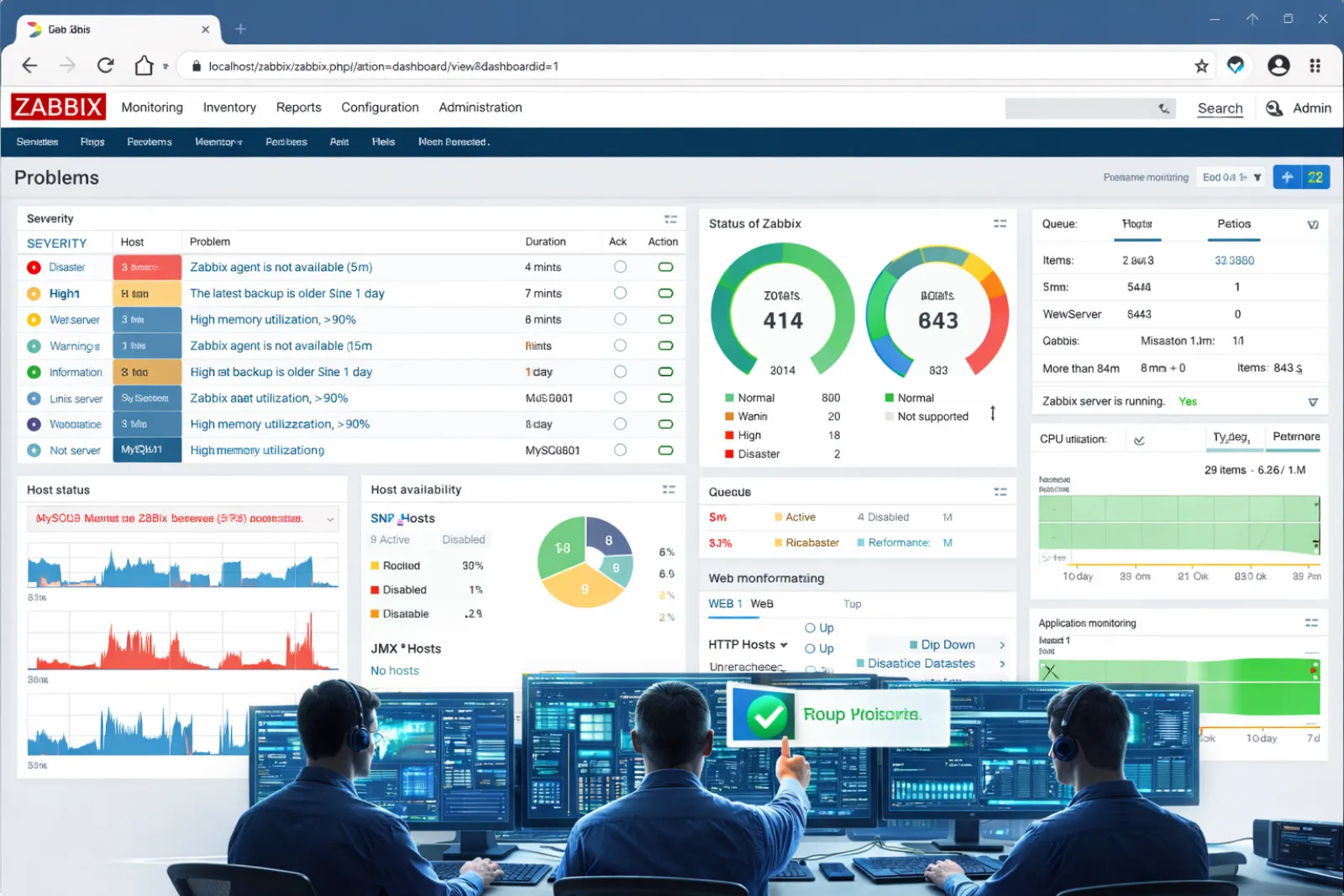
One of the most effective ways to reduce IT downtime is through proactive IT monitoring. Monitoring tools provide real-time visibility into systems, networks, and devices.
With proper monitoring in place, businesses can:
- Detect performance issues before failure
- Receive alerts when systems go offline
- Identify abnormal activity early
- Reduce response time to incidents
Early detection often turns major outages into minor issues.
Keep Systems Updated and Maintained
Outdated systems are a leading cause of downtime and security vulnerabilities. Regular maintenance ensures systems remain stable and secure.
Best practices include:
- Applying operating system and firmware updates
- Keeping network devices patched
- Replacing end-of-life hardware
- Testing updates before deployment
Routine maintenance significantly improves system reliability.
Build Redundancy into Critical Systems
Single points of failure increase downtime risk. Redundancy ensures that if one component fails, another can take over.
Common redundancy strategies include:
- Backup internet connections
- Redundant firewalls and switches
- Data backups and disaster recovery plans
- Cloud-based failover solutions
Redundancy helps businesses stay operational even during unexpected failures.
Strengthen Network and Security Infrastructure
Many outages are caused by poor network design or security incidents. A well-designed network with built-in security reduces both performance issues and downtime.
Key elements include:
- Business-grade firewalls
- Segmented networks
- Secure remote access
- Controlled user permissions
Strong infrastructure creates a stable foundation for all IT systems.
Partner with a Professional IT Support Provider
Managing IT systems internally can be overwhelming for many businesses. Working with a professional IT support provider ensures issues are addressed quickly and systems are maintained properly.
Professional IT support services typically include:
- 24/7 monitoring and alerts
- Fast incident response
- Preventative maintenance
- Ongoing optimization
This approach reduces downtime and allows businesses to focus on operations instead of IT problems.
Final Thoughts
Reducing IT downtime isn’t about reacting to problems—it’s about preventing them. With proactive monitoring, regular maintenance, and reliable support, businesses can minimize disruptions and maintain consistent operations.
A stable IT environment supports productivity, protects data, and keeps customers connected.
If downtime is affecting your business, it’s time to take a proactive approach.