Protect Your Business Network: Essential Security Steps Every Small Business Should Take
In today’s connected world, your business network is the backbone of daily operations. From email and cloud applications to file sharing and customer data, everything depends on a secure and reliable network. Unfortunately, small businesses are now one of the top targets for cyberattacks, often because their networks are underprotected or outdated.
Protecting your business network doesn’t require enterprise-level budgets, but it does require the right strategy, tools, and ongoing attention. Below are practical, proven steps every business should take to strengthen network security and reduce risk.
Why Business Network Security Matters More Than Ever
Cybercriminals actively target small and mid-sized businesses because they often lack dedicated security teams. A single breach can result in:
- Downtime and lost productivity
- Data theft or ransomware attacks
- Compliance violations
- Damage to customer trust
Strong network security for small businesses is no longer optional. It’s a core part of running a modern, professional organization.
Start with a Proper Network Firewall
A business-grade firewall is the first line of defense for your network. Unlike basic router firewalls, enterprise firewalls actively monitor traffic, block malicious activity, and control what enters and leaves your network.
Key firewall benefits include:
- Blocking unauthorized access
- Preventing malware and ransomware
- Segmenting internal networks
- Enforcing security policies
Firewall management should be configured correctly and reviewed regularly to remain effective.
Use Network Monitoring to Detect Threats Early
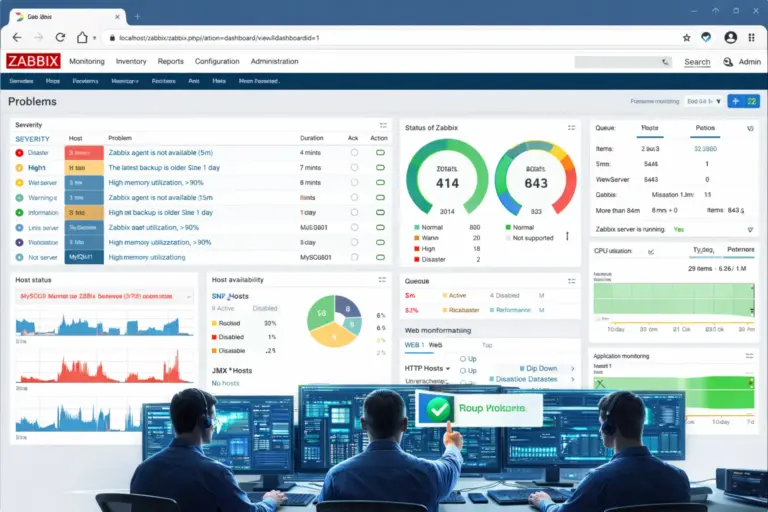
Many security incidents go unnoticed until damage is already done. Network monitoring helps identify unusual behavior before it becomes a major issue.
With proper monitoring, businesses can:
- Detect suspicious traffic patterns
- Identify failing devices or overloaded systems
- Respond faster to potential threats
- Reduce downtime and outages
Proactive monitoring is one of the most effective ways to improve overall network security and performance.
Secure Wi-Fi and Remote Access
Unsecured wireless networks are a common entry point for attackers. Business Wi-Fi should always be configured with strong encryption, secure authentication, and separate guest access.
Best practices include:
- WPA3 or strong WPA2 encryption
- Separate guest and internal networks
- Secure VPN access for remote employees
- Disabling unused wireless features
Remote access should always be encrypted and tightly controlled to protect internal systems.
Keep Network Devices Updated and Hardened
Outdated firmware and unpatched devices are a major security risk. Firewalls, switches, routers, access points, and servers must be kept up to date.
Regular maintenance should include:
- Firmware and security updates
- Removing unused services
- Changing default credentials
- Reviewing device configurations
A hardened network environment significantly reduces exposure to known vulnerabilities.
Limit Access and Follow the Principle of Least Privilege
Not every user needs access to every system. Limiting access reduces the potential damage caused by compromised accounts.
Strong access control includes:
- Role-based permissions
- Multi-factor authentication (MFA)
- Secure password policies
- Regular account reviews
These steps help protect sensitive business data and internal systems.
Work with a Professional Network Security Provider
Many businesses struggle to manage network security while focusing on daily operations. Partnering with a professional IT and network security provider ensures your systems are protected, monitored, and maintained properly.
Professional network security services typically include:
- Firewall deployment and management
- Network monitoring and alerts
- Security assessments
- Ongoing optimization and support
This approach provides peace of mind and allows your business to focus on growth instead of security risks.
Final Thoughts
Protecting your business network is not about fear — it’s about preparation. With the right security measures in place, businesses can operate confidently, reduce downtime, and protect critical data.
Strong network security, proactive monitoring, and expert support form the foundation of a reliable and secure IT environment.
If you’re unsure about the current state of your network, a professional assessment is the best place to start.