Improve Network Performance: How to Make Your Business Network Faster and More Reliable
Slow networks frustrate employees, disrupt operations, and cost businesses time and money. Whether it’s lagging Wi-Fi, dropped connections, or applications timing out, poor network performance can quietly drag down productivity every day.
The good news is that most network performance issues are preventable. With the right design, monitoring, and maintenance, businesses can dramatically improve speed, reliability, and user experience across their network.
Why Network Performance Is Critical for Business
Modern businesses rely on cloud applications, video conferencing, VoIP, and real-time data access. When a network struggles to keep up, the impact is immediate.
Common symptoms of poor network performance include:
- Slow internet and file transfers
- Unreliable Wi-Fi connections
- Application latency and timeouts
- Frequent disconnects or outages
Optimizing network performance helps ensure employees stay productive and customers receive consistent service.
Identify and Eliminate Network Bottlenecks
One of the most common causes of slow networks is congestion. Bottlenecks occur when traffic exceeds what your network equipment or internet connection can handle.
Key areas to evaluate include:
- Outdated switches and routers
- Limited bandwidth or aging internet circuits
- Poor network segmentation
- Overloaded wireless access points
A professional network assessment can quickly identify where performance is being lost.
Optimize Wi-Fi for Coverage and Capacity
Wi-Fi issues are one of the top complaints in business environments. Simply adding more access points rarely solves the problem.
Best practices for improving business Wi-Fi include:
- Proper access point placement
- Channel and power optimization
- Separate networks for guests and employees
- Support for modern Wi-Fi standards
Well-designed wireless networks improve speed, reduce interference, and deliver a consistent user experience.
Upgrade Network Hardware Strategically
Legacy network equipment may still function, but it often can’t support today’s bandwidth demands. Modern switches, routers, and firewalls are designed to handle higher traffic volumes securely and efficiently.
Upgrading network infrastructure can:
- Increase throughput and stability
- Reduce latency
- Improve reliability during peak usage
- Support future growth
Strategic upgrades provide long-term performance benefits.
Use Network Monitoring to Maintain Performance
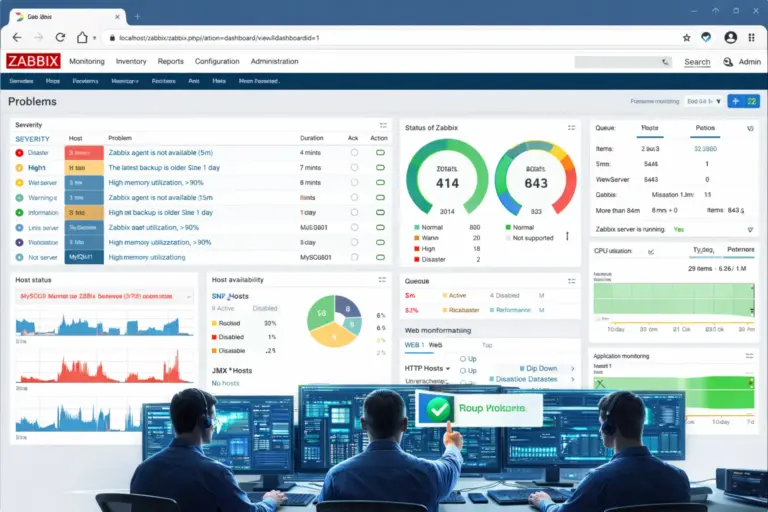
Performance issues often go unnoticed until users start complaining. Network monitoring allows businesses to see what’s happening in real time.
With proper monitoring, you can:
- Track bandwidth usage
- Detect failing devices early
- Identify abnormal traffic patterns
- Reduce downtime through proactive response
Continuous visibility is essential for maintaining a high-performing network.
Segment and Prioritize Network Traffic
Not all network traffic is equally important. Voice, video, and business-critical applications should be prioritized over non-essential traffic.
Effective traffic management includes:
- Network segmentation (VLANs)
- Quality of Service (QoS) policies
- Isolating guest and IoT devices
These techniques help ensure critical systems always perform reliably.
Work with a Professional Network Solutions Provider
Many performance issues stem from networks that were never designed for current business needs. A professional network solutions provider can design, optimize, and maintain a network built for speed, reliability, and growth.
Network performance services often include:
- Network design and optimization
- Wi-Fi assessments and tuning
- Infrastructure upgrades
- Ongoing monitoring and support
This approach allows businesses to focus on operations while experts handle performance and reliability.
Final Thoughts
Improving network performance is about more than speed—it’s about reliability, stability, and user experience. A well-optimized network supports productivity, reduces frustration, and scales with your business.
If your network feels slow or unreliable, it’s time to look deeper. Small improvements today can prevent major issues tomorrow.