Ransomware Explained for Small Businesses (No Tech Jargon)
Ransomware sounds like something that only happens to large corporations or hospitals you see on the news. The reality is much different.
Small businesses are now the #1 target for ransomware attacks. Not because they’re valuable — but because they’re often unprepared.
This guide explains ransomware in plain English, how it actually affects small businesses, and what you can realistically do to protect your company — without technical jargon.
What Is Ransomware? (Simple Explanation)
Ransomware is a type of cyberattack where criminals lock your files or systems and demand money to unlock them.
Think of it like this:
- Someone breaks into your office overnight
- Changes all the locks
- Leaves a note demanding payment to get your keys back
Except instead of doors, it’s your computers, files, email, and sometimes your entire business operation.
Why Small Businesses Are Prime Targets
Hackers don’t usually go after small businesses because they’re famous. They target them because:
- Security is often minimal or outdated
- Backups are incomplete or untested
- Staff are not trained on cyber threats
- A few hours of downtime can be devastating
Attackers know that small businesses are more likely to pay quickly just to get back up and running.
How Ransomware Gets In (Most Common Ways)
You don’t need to be careless to get hit. Most ransomware attacks start with everyday activity.
1. Phishing Emails
This is the most common entry point.
- Fake invoices
- Shipping notifications
- Password reset emails
One click is often enough.
2. Weak or Reused Passwords
Using the same password for email, VPN, or remote access makes it easy for attackers to break in.
3. Outdated Systems
Unpatched computers, firewalls, or servers give attackers known vulnerabilities to exploit.
4. Remote Access Tools
Poorly secured remote access is a major risk, especially with remote and hybrid work.
What Happens During a Ransomware Attack
When ransomware hits, it usually follows this pattern:
- Files suddenly become inaccessible
- Screens show error messages or ransom notes
- Systems slow down or stop responding
- Critical business operations halt
At that point, attackers demand payment — usually in cryptocurrency — and promise to restore access.
There is no guarantee they will.
The Real Cost of Ransomware (It’s Not Just the Ransom)
Many businesses focus on the ransom amount, but the hidden costs are often worse:
- Lost productivity
- Missed customer deadlines
- Damaged reputation
- Data loss
- Emergency IT recovery costs
Even businesses that don’t pay often spend far more recovering than they would have preventing the attack.
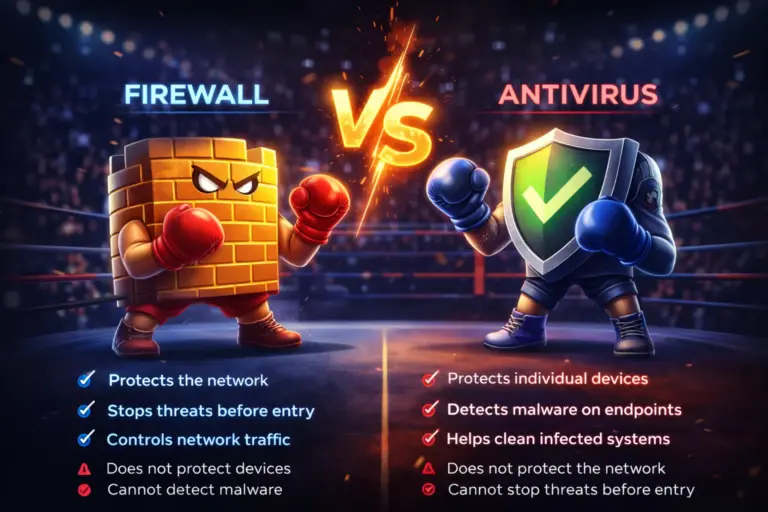
Can Antivirus Alone Stop Ransomware?
Short answer: No.
Antivirus software is important, but modern ransomware attacks are designed to bypass basic protection.
Real protection requires layers, not a single tool.
How Small Businesses Can Protect Themselves (Realistic Steps)
You don’t need enterprise-level budgets to reduce risk significantly.
1. Email Security and Awareness
Most attacks start with email. Training employees to recognize suspicious messages dramatically lowers risk.
2. Multi-Factor Authentication (MFA)
MFA stops attackers even if passwords are compromised.
3. Regular Updates and Patching
Keeping systems updated closes known security holes.
4. Proper Backups (That Actually Work)
Backups should be:
- Automatic
- Stored securely
- Tested regularly
Untested backups are one of the most common failures after an attack.
5. Network Segmentation
Separating systems limits how far ransomware can spread.
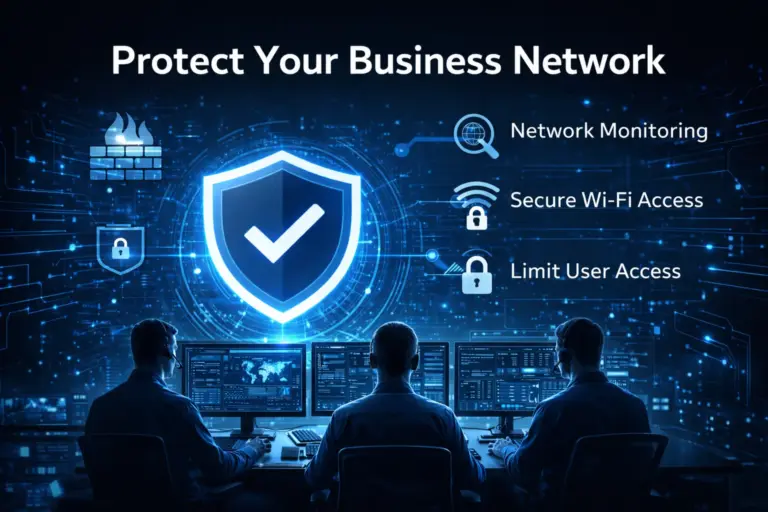
6. Firewall and Network Security
Modern firewalls help block malicious traffic before it reaches your devices.
What to Do If You’re Hit by Ransomware
If ransomware is suspected:
- Disconnect affected systems immediately
- Do not pay the ransom right away
- Contact IT or security professionals
- Assess backups and recovery options
Quick response can limit damage.
Final Thoughts
Ransomware is no longer an “IT problem.” It’s a business risk that affects revenue, reputation, and customer trust.
The good news? Most ransomware attacks are preventable with the right planning, training, and basic security controls.
Need Help Protecting Your Business?
JND Networks helps small businesses reduce ransomware risk through security assessments, network protection, and employee awareness strategies.
📅 Schedule a free consultation to understand your exposure and strengthen your defenses before an attack happens.